


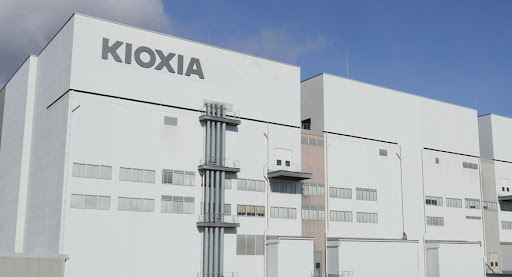
Kioxia, a major player in the world of memory chips, is preparing for its much-anticipated Initial Public Offering (IPO) in Japan. The chipmaker, backed by the private equity firm Bain Capital, is set to go public at a valuation of approximately $4.9 billion. But what does this mean for investors, the tech industry, and the company’s future? Let’s dive into the details of Kioxia’s IPO and what you can expect when it hits the Tokyo Stock Exchange this December.
Kioxia’s $4.9 Billion IPO: A Major Milestone
Kioxia, one of the leading manufacturers of NAND flash memory, is gearing up for its IPO, which is slated for December 18, 2024, on the Tokyo Stock Exchange. With an estimated market value of about 750 billion yen (around $4.9 billion), the IPO aims to raise around 100 billion yen ($645 million), excluding overallotment.
The company’s IPO is set to be a significant event in the tech and investment world, as Kioxia is one of the largest memory chipmakers globally. But why is this IPO such a big deal? Kioxia’s products play a crucial role in everything from smartphones to data centers, making it a key player in the semiconductor industry.
What Does Kioxia Do?
Kioxia is a leading producer of NAND flash memory, the type of memory found in most digital devices like smartphones, laptops, and cameras. In simpler terms, they make the chips that help store your photos, apps, and other data. As the world becomes more digital and data-driven, the demand for NAND flash memory continues to rise, which has fueled Kioxia’s rapid growth.
The company is currently ranked as one of the world’s top NAND memory producers, alongside giants like Samsung, Micron, and SK hynix. With their advanced memory chips used in everything from consumer electronics to enterprise-level storage systems, Kioxia’s products are essential in the tech world. As a result, the company’s IPO is expected to capture significant investor attention.
Backing by Bain Capital and the Kioxia Ownership Structure
Kioxia’s parent company is a special-purpose company formed by Bain Capital and South Korean semiconductor giant SK hynix. Together, they hold a combined 56% stake in the company. Toshiba, the Japanese multinational conglomerate, also holds a sizable 41% stake in Kioxia. This structure has led to a mix of strategic decisions, including past discussions of Kioxia merging with Western Digital’s memory business to strengthen its position in the memory market.
However, these merger talks were recently called off in October 2023 after discussions with SK hynix about the impact on the company’s investment value. The failed merger would have created a new entity to challenge Samsung’s dominance in the NAND flash memory market. Despite this setback, Kioxia’s upcoming IPO signals the company’s resilience and confidence in its future growth.
A Roller Coaster to the IPO: What Happened in the Past Year?
Kioxia’s IPO journey has been far from smooth. Initially, the company had planned to go public in October 2023, but the launch was postponed due to market volatility and concerns about the company’s valuation. Earlier discussions suggested that Kioxia would be valued at over 1.5 trillion yen (approximately $10.3 billion), but investor concerns about the decline in semiconductor stock prices led Bain to significantly lower its expectations.
This shift in valuation was influenced by a broader slump in semiconductor stocks, particularly those of Kioxia’s peers, like Samsung, SK hynix, and Micron Technology, all of which had seen their share prices drop from their highs. Despite these challenges, Kioxia is now pushing ahead with its December IPO, setting its price range at 1,390 yen per share. The company will issue new shares, and approximately $180 million of the raised capital will come from these new shares.
What Does This Mean for Kioxia and the Semiconductor Industry?
For Kioxia, this IPO marks a pivotal moment in its history. The company is positioning itself as a key player in the semiconductor industry, one that will help shape the future of data storage. With increasing demand for more memory storage in consumer electronics, cloud computing, and data centers, Kioxia is well-positioned to capitalize on this trend.
However, the semiconductor industry as a whole faces its challenges. The global chip shortage, fluctuating demand for consumer electronics, and ongoing supply chain issues continue to impact production. Yet, the demand for memory chips in more advanced technologies like artificial intelligence (AI), 5G, and data centers remains strong. Kioxia’s ability to navigate these challenges will be key to its long-term success in the market.
What’s Next for Investors?
For investors, the Kioxia IPO presents an exciting opportunity to get in on one of the biggest memory chipmakers in the world. The company’s strong market position and its crucial role in the tech ecosystem make it an attractive option for those looking to invest in the growing semiconductor sector.
However, potential investors should also be aware of the risks. The semiconductor market is notoriously volatile, and Kioxia’s IPO comes at a time when global markets are still recovering from the effects of inflation, supply chain disruptions, and geopolitical tensions. While the long-term prospects for NAND flash memory are bright, short-term fluctuations in the market could impact Kioxia’s performance.
Conclusion: A Key Moment for Kioxia
Kioxia’s IPO in December is set to be one of the most anticipated events in the Japanese tech market this year. With a market value of $4.9 billion, the company is positioning itself as a leader in the NAND flash memory industry, a sector that is expected to see continued growth as the world becomes more data-driven.
Backed by Bain Capital and with a strong foothold in the semiconductor industry, Kioxia’s IPO is expected to raise $645 million and will likely attract significant interest from investors looking to capitalize on the company’s growth potential. While there are risks in the volatile semiconductor market, Kioxia’s role in shaping the future of memory storage makes this IPO one to watch closely.


