

A new healthtech startup founded by the creator of one of India’s most well-known healthcare platforms is aiming to change how diseases are detected. Bengaluru-based startup Cent has raised an undisclosed amount in a new funding round backed by OneFlow Holdings and South Park Commons.
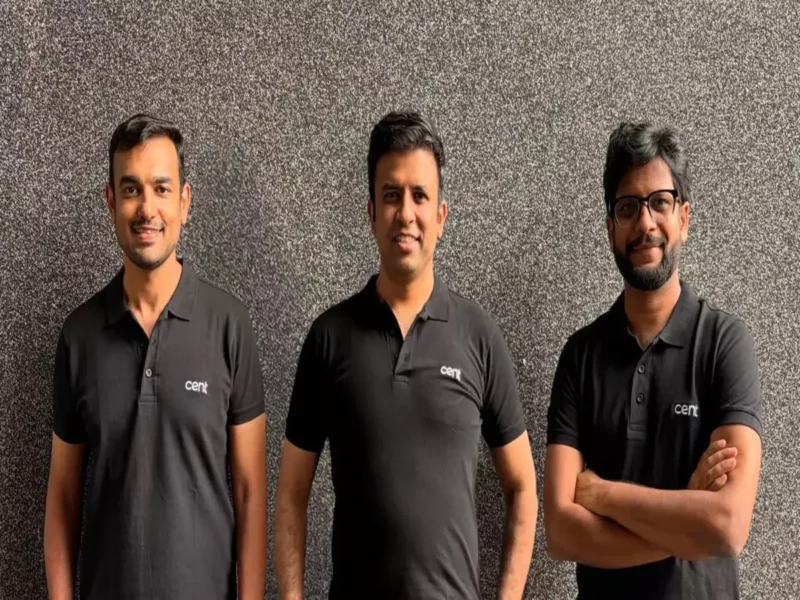
The startup was founded by Shashank ND, the founder of Practo, along with Arpit Garg, a former executive at Lenskart, and Anshul Khandelwal, who previously worked at Ola Electric. Together, the founding team is building an AI-powered platform designed to detect serious diseases at an early stage, even before symptoms appear.
Cent focuses on identifying conditions such as cancer, cardiac diseases, and metabolic disorders using advanced scans combined with artificial intelligence.
The investment reflects growing interest in preventive healthcare technologies that aim to identify diseases earlier and improve patient outcomes.
A Startup Focused on Early Disease Detection
Cent’s core mission is to detect serious illnesses at the earliest possible stage. Many life-threatening diseases such as cancer and heart disease often go unnoticed until symptoms become severe.
By that time, treatment can become more complex and expensive.
Cent aims to address this challenge by offering advanced scans designed to identify potential health issues before patients experience noticeable symptoms.
The platform combines medical imaging with artificial intelligence to analyze scan data and detect patterns that may indicate early signs of disease.
The goal is to give individuals and doctors earlier warnings so they can take action sooner.
The Founding Team Behind Cent
The startup’s founding team brings experience from some of India’s most prominent technology companies.
Shashank ND, the founder of Practo, is widely known in the Indian healthcare startup ecosystem for building one of the country’s leading digital healthcare platforms.
He has partnered with Arpit Garg, who previously worked at Lenskart, and Anshul Khandelwal, who has experience at Ola Electric.
Together, the trio combines expertise in healthcare technology, consumer platforms, and fast-scaling startups.
Their experience in building large digital products could help Cent scale its platform quickly as demand for preventive healthcare grows.
How the Cent Platform Works
Cent operates on a direct-to-consumer model. Instead of relying solely on hospitals or clinics, individuals can directly access the company’s scanning services.
The process typically involves specialized health scans designed to screen for multiple diseases at once.
Once the scan is completed, artificial intelligence systems analyze the results to identify potential warning signs related to conditions such as cancer, cardiovascular disease, and metabolic disorders.
Doctors then review the results and provide further medical guidance if necessary.
This approach combines AI-driven insights with medical expertise to create a more comprehensive early detection system.
Early Results From the Platform
Although Cent is a relatively new startup, it has already begun testing its model in the market.
The company started operations in the first quarter of FY26. Since then, it claims to have completed more than 1,500 scans.
According to the startup, the early data from these scans is promising.
Around 26 percent of scans identified clinically meaningful findings. These are health issues that may require monitoring or further medical evaluation.
More notably, approximately 3 to 4 percent of scans detected critical conditions that required immediate medical attention.
These numbers highlight the potential value of early screening technologies in identifying hidden health risks.
Why Early Detection Matters
Many serious diseases develop slowly and often remain unnoticed for years.
For example, cancer may grow silently in the body before symptoms appear. Similarly, heart disease can progress without obvious warning signs until a major health event occurs.
Early detection significantly improves the chances of successful treatment.
Doctors often emphasize that identifying diseases in their early stages can lead to better outcomes, lower treatment costs, and improved survival rates.
Preventive screening programs have already proven effective in several countries, particularly for conditions like breast cancer and colorectal cancer.
Cent aims to extend similar early detection capabilities using advanced imaging and artificial intelligence.
Rising Investor Interest in Oncology Startups
The funding round for Cent comes at a time when investors are showing increased interest in healthcare startups focused on cancer detection and treatment.
The oncology sector has seen significant funding activity in recent years as technological advances make early detection and personalized treatment more feasible.
Innovations in AI, genetic testing, and medical imaging are opening new possibilities for identifying cancer earlier and improving treatment outcomes.
Several startups around the world are working on technologies that can detect cancer through blood tests, imaging analysis, and other advanced diagnostics.
Cent’s approach using AI-powered scans fits into this broader global trend.
Preventive Healthcare Is Becoming a Major Trend
Healthcare systems worldwide are gradually shifting from reactive treatment to preventive care.
Instead of waiting until patients become seriously ill, healthcare providers are increasingly focusing on identifying risks early and preventing diseases before they become severe.
Several factors are driving this shift.
First, rising healthcare costs are encouraging governments and insurers to invest in preventive solutions that reduce expensive treatments later.
Second, technological advances in artificial intelligence and diagnostics are making early detection more accurate and accessible.
Finally, consumers are becoming more proactive about monitoring their health.
Health tracking devices, wellness apps, and preventive screenings are becoming part of everyday healthcare for many people.
Startups like Cent are positioning themselves at the center of this emerging preventive healthcare ecosystem.
Challenges in Scaling Early Detection Platforms
While the opportunity is large, building a scalable early disease detection platform also comes with several challenges.
One major challenge is ensuring medical accuracy. Diagnostic technologies must undergo rigorous testing and validation to ensure reliable results.
Another challenge is affordability. Advanced scans can be expensive, which may limit accessibility for a large portion of the population.
Healthcare startups must also navigate complex regulatory requirements, especially when introducing new diagnostic technologies.
Building partnerships with hospitals, diagnostic centers, and healthcare professionals will also be important for scaling the platform.
Despite these challenges, the potential impact of early detection technology continues to attract strong investor interest.
The Road Ahead for Cent
Cent is still in its early stages, but the startup’s early traction suggests that there is strong demand for preventive health screening solutions.
With backing from global investors and a founding team with significant experience in building technology platforms, the company aims to expand its scanning services and improve its AI-driven diagnostic capabilities.
As the healthcare industry increasingly focuses on prevention rather than treatment, platforms that help identify diseases earlier could play an important role in shaping the future of healthcare.
If Cent succeeds in scaling its technology and making early detection more accessible, it could help millions of people identify serious health risks long before symptoms appear.