

On most days, booking a creative space in India does not start with a smooth platform or an easy app. It starts with a search bar.
A photographer planning a shoot opens Google and scrolls endlessly. A filmmaker hunting for the perfect backdrop jumps between Instagram pages. A workshop organiser sends multiple direct messages just to check availability. A small business owner calls different vendors to compare prices.
The process is exhausting.
Details are scattered. Pricing is unclear. Availability changes without notice. Confirmation takes time. Payments are often manual. And even after all that effort, there is no guarantee the space will match expectations.
The system works, technically. But it lacks structure, transparency, and speed.
This is the frustration that Spare Space, a startup based in Delhi NCR, wants to eliminate.
The Vision: An Airbnb for Creative Hourly Spaces
Spare Space is building what many describe as the Airbnb for creative hourly rentals in India.
Instead of creators chasing listings across Google and Instagram, the platform aims to bring everything under one roof. Studios, training rooms, event spaces, meeting rooms, and unique shooting locations can be discovered, compared, and booked in one place.
The idea is simple: make booking a creative space as easy as booking a hotel room.
But behind that simplicity is a much bigger shift in how India’s creative ecosystem functions.
Why the Current System Feels Broken
1. Scattered Information
Today, most creative spaces operate independently. They promote themselves on social media, Google listings, or word-of-mouth referrals. There is no centralized marketplace that organizes them in a structured way.
For creators, that means jumping between platforms just to collect basic information.
2. Manual Availability Checks
Many spaces do not have real-time booking systems. Customers must message or call to check if a slot is available. This delays decision-making and often leads to double bookings or confusion.
3. Negotiated Pricing
Rates are sometimes flexible, sometimes fixed, and often unclear. Negotiation becomes part of the process, which can be uncomfortable and time-consuming.
4. No Instant Confirmation
In a fast-paced creative industry, delays cost time and money. Waiting for a response before confirming a client project adds unnecessary stress.
The gap between demand and organized supply has been obvious for years. But until recently, no one tried to structure it at scale.
How Spare Space Is Bringing Order to the Chaos
Spare Space is positioning itself as a structured marketplace for hourly creative rentals.
Instead of creators doing the legwork, the platform organizes listings with clear details:
- Transparent pricing
- Defined amenities
- Real-time availability
- Online booking options
- Clear images and descriptions
This approach reduces friction on both sides. Creators get convenience and clarity. Space owners get more visibility and higher utilization.
It turns underused spaces into income-generating assets.
Turning Empty Hours into Revenue
One of the most interesting parts of this model is how it benefits property owners.
Many studios, offices, and event spaces sit idle for several hours a day. Some are unused on weekdays. Others are empty during off-peak hours.
Spare Space allows these owners to monetize unused time slots.
Instead of renting only for full days or long-term contracts, spaces can be listed hourly. This increases flexibility and opens doors to smaller creators who cannot afford full-day bookings.
It is a win-win: creators get affordability, and owners increase revenue.
Why India Is Ready for This Model
India’s creator economy is growing rapidly.
From YouTubers and Instagram influencers to independent filmmakers and startup founders, demand for professional spaces is rising. Workshops, networking events, pop-up stores, and brand shoots are becoming more common.
But infrastructure has not kept pace.
In cities like Delhi NCR, the demand for short-term, flexible spaces is especially strong. The region is packed with startups, agencies, educational institutes, and content creators who need temporary setups.
A centralized platform fits naturally into this growing ecosystem.
The Founder’s Bet on Structure Over Chaos
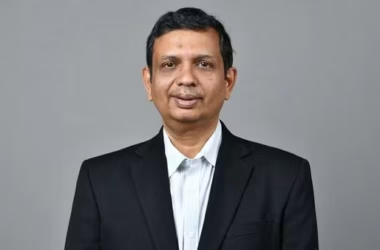
The founder behind Spare Space saw a pattern: too much time wasted in searching, negotiating, and coordinating.
Instead of building just another listing website, the goal was to introduce structure into an unorganized segment.
The idea mirrors what Airbnb did for vacation rentals. Before Airbnb, travelers relied on hotels or scattered classified ads. After Airbnb, booking a stay became digital, searchable, and standardized.
Spare Space wants to apply that same structure to creative spaces in India.
It is not just about convenience. It is about professionalizing an informal market.
What Makes This Model Different
Focus on Hourly Bookings
Many property platforms focus on long-term rentals. Spare Space concentrates specifically on hourly usage, which is critical for shoots, rehearsals, and workshops.
Creator-Centric Design
The platform is designed for photographers, filmmakers, trainers, and entrepreneurs. That means filtering by lighting setup, backdrop type, seating capacity, equipment availability, and more.
Instant Discovery
Instead of endless scrolling through social media, users can compare multiple options side by side.
This shift saves time, reduces uncertainty, and improves planning efficiency.
The Bigger Opportunity
If executed well, this model could reshape how creative infrastructure is accessed across India.
Think about:
- Small towns with unused banquet halls
- Schools with empty classrooms after hours
- Offices with conference rooms available on weekends
- Warehouses that can double as shoot locations
A structured marketplace could unlock hidden value in thousands of underutilized properties.
The impact goes beyond convenience. It creates a new layer of economic activity.
Challenges Ahead
Of course, building a marketplace is never easy.
The biggest hurdles include:
- Convincing traditional space owners to adopt digital systems
- Maintaining quality control across listings
- Ensuring accurate availability updates
- Competing with informal networks and word-of-mouth referrals
Trust will be critical. Users must feel confident that what they book online matches reality.
But if the platform can maintain reliability and transparency, it has the potential to dominate a niche that has long been overlooked.
A Shift from Informal to Organized
For years, booking a creative space in India has felt like a patchwork process. It required patience, negotiation skills, and a bit of luck.
Spare Space is betting that creators no longer want to deal with that friction.
They want speed.
They want clarity.
They want instant confirmation.
As India’s creator economy expands, structured infrastructure will become essential. The startup’s approach signals a larger trend: organizing fragmented industries through technology.
The frustration creators face today could soon become a problem of the past.
And if the vision works, searching endlessly on Google or sending multiple Instagram DMs to book a studio may feel as outdated as booking travel through newspaper classifieds.