

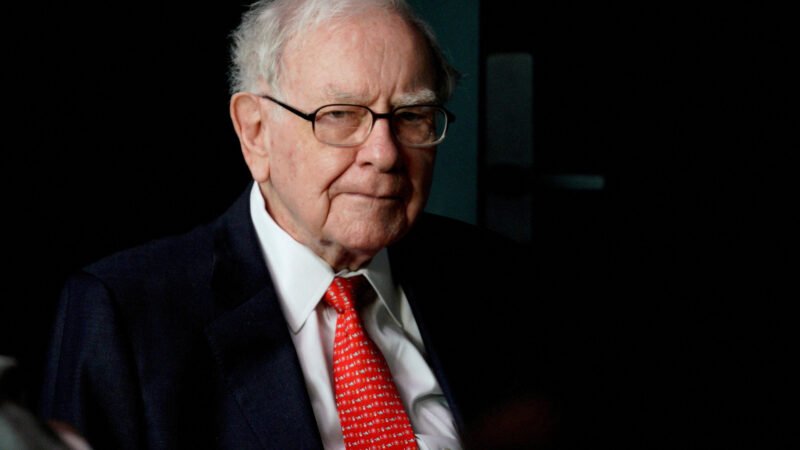
Legendary Investor Steps Down
Billionaire investor Warren Buffett has announced that he will step down as CEO of Berkshire Hathaway at the end of this year, marking the end of an era for one of the world’s most iconic investors. Buffett, often called the “Oracle of Omaha,” has led Berkshire for decades, turning it into a powerhouse of investments and a symbol of long-term wealth creation.
However, Buffett made it clear that even though he’s stepping down, he will retain a major stake in Berkshire Hathaway’s “A” shares for now. This move signals that while he is passing the torch, he is not ready to completely walk away from the company he built.
Buffett’s Reason for Retaining Shares
Buffett’s decision to hold onto his shares is aimed at giving investors confidence in his successor. Leadership changes at a company of Berkshire’s scale can rattle markets, and Buffett’s continued ownership acts as a stabilizing signal.
By keeping his stake, Buffett is effectively saying: “I trust the transition, but I’m not fully stepping aside until investors feel the same way.” Analysts see this as a smart move, showing Buffett’s continued commitment to the company and its shareholders.
Who Will Lead Berkshire Hathaway?
The question on every investor’s mind is: Who will replace Warren Buffett? Buffett has long prepared for succession, naming a successor in advance to ensure a smooth leadership transition. While details remain limited, it’s clear that Berkshire’s next CEO will face huge shoes to fill.
Buffett’s stake retention also gives the incoming CEO some breathing room, ensuring the company’s stock and operations remain steady during this critical transition. Market watchers are keeping a close eye on how the new leadership will continue Berkshire’s legacy.
Why This Matters for Investors
Berkshire Hathaway is not just another company—it’s a symbol of investment stability and long-term strategy. Buffett’s move to retain his shares has several implications:
- It signals confidence in the company’s long-term prospects.
- It reassures investors that the transition will be gradual and thoughtful.
- It highlights Buffett’s influence and commitment, even as he steps back from daily operations.
For shareholders, this is a clear message: Berkshire’s foundation is strong, and the company will continue to thrive even after Buffett’s retirement.
Buffett’s Legacy
Warren Buffett’s retirement marks the end of an era in American business. Known for his disciplined approach to investing, value-based strategies, and decades of consistent returns, Buffett has reshaped the investment landscape.
Under his leadership, Berkshire Hathaway grew from a modest textile company into a $700+ billion conglomerate with stakes in insurance, railroads, energy, and iconic brands like Coca-Cola and Apple. Buffett’s philosophy of long-term value creation continues to influence investors worldwide.
What Comes Next for Berkshire
Even as Buffett steps aside, Berkshire Hathaway is expected to continue its conservative investment approach, focusing on long-term growth rather than short-term market trends. The company’s leadership transition, paired with Buffett’s stake retention, suggests that stability will remain a priority.
Investors will be watching closely to see how the new CEO balances innovation with Berkshire’s traditional strategies. Buffett’s presence as a major shareholder ensures a steady hand remains guiding the company from behind the scenes.
Bottom Line
Warren Buffett may be retiring as CEO, but his decision to keep a significant stake in Berkshire Hathaway underscores his ongoing influence and commitment. This move provides confidence to investors and ensures a smooth transition for his successor.
While the world says goodbye to the “Oracle of Omaha” as CEO, Buffett’s legacy—and his financial footprint—will continue to shape Berkshire Hathaway and global investing for years to come.